Cost of Living Action - focus on tackling the structural drivers
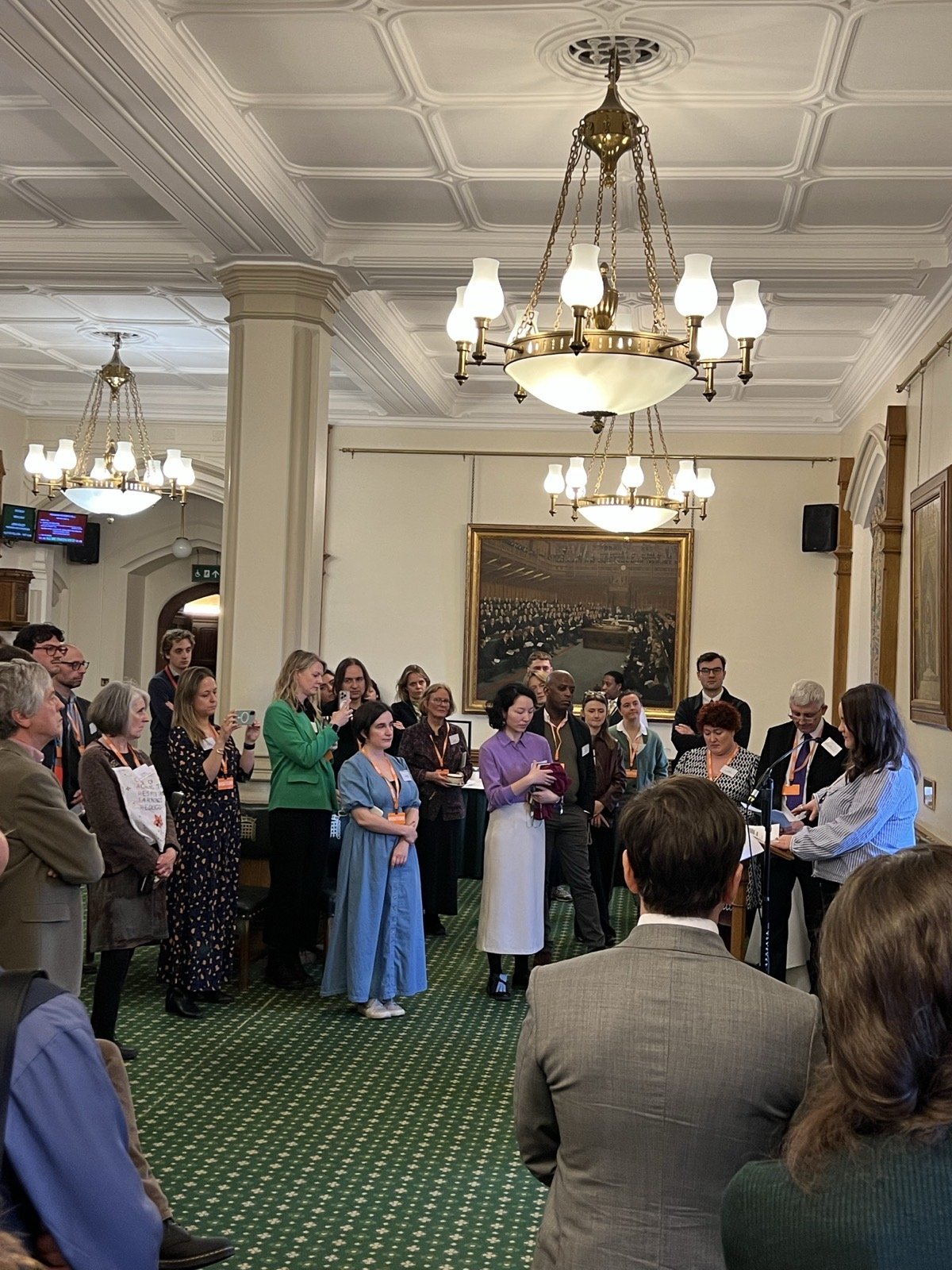
Delegates at the Cost of Living Action Day at Parliament
The Cost-of-Living Action campaign was relaunched in Parliament this week, bringing MPs, campaigners and people sharing their experiences of the damaging impacts of rising costs on their lives into the same room.
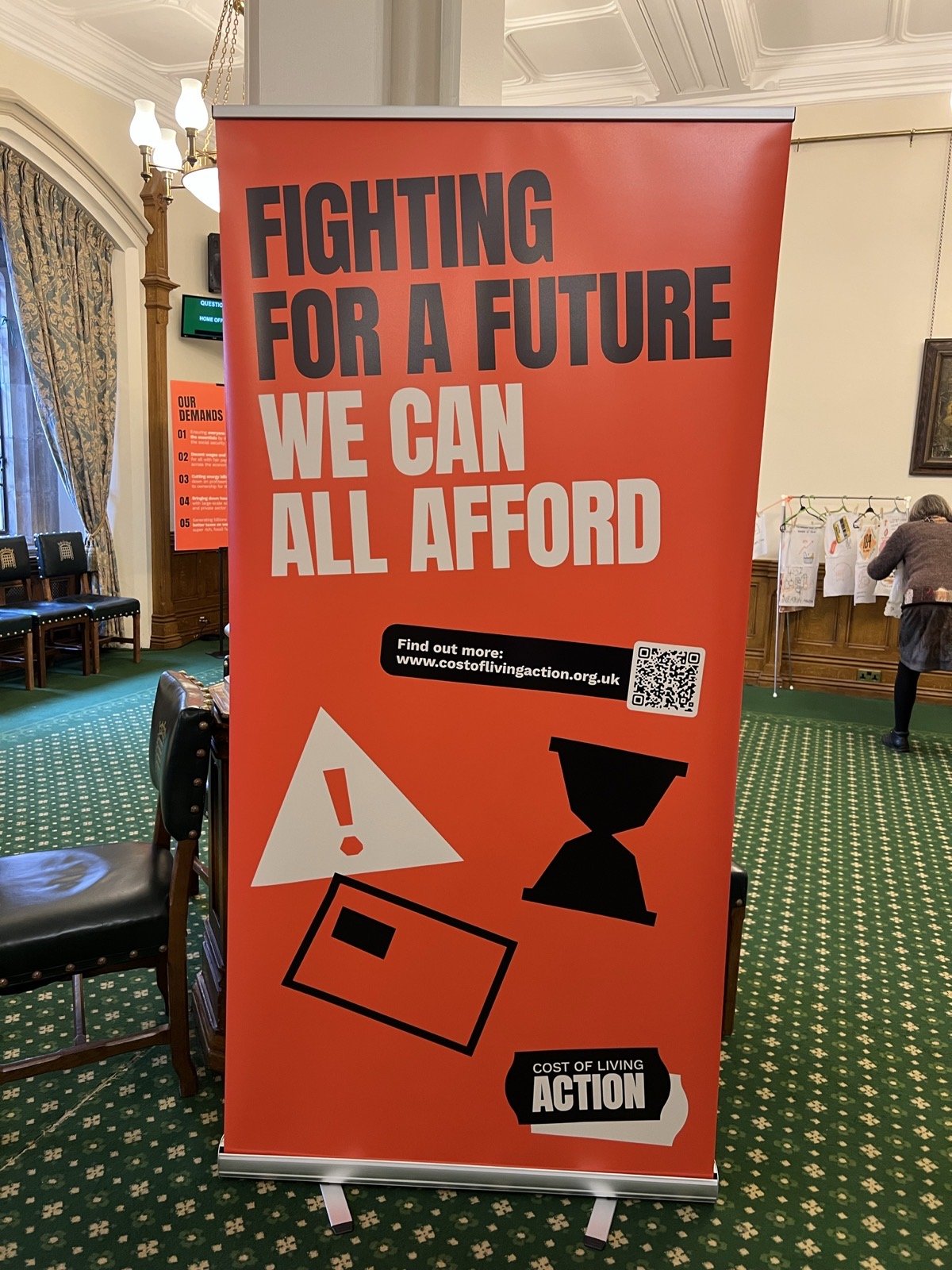
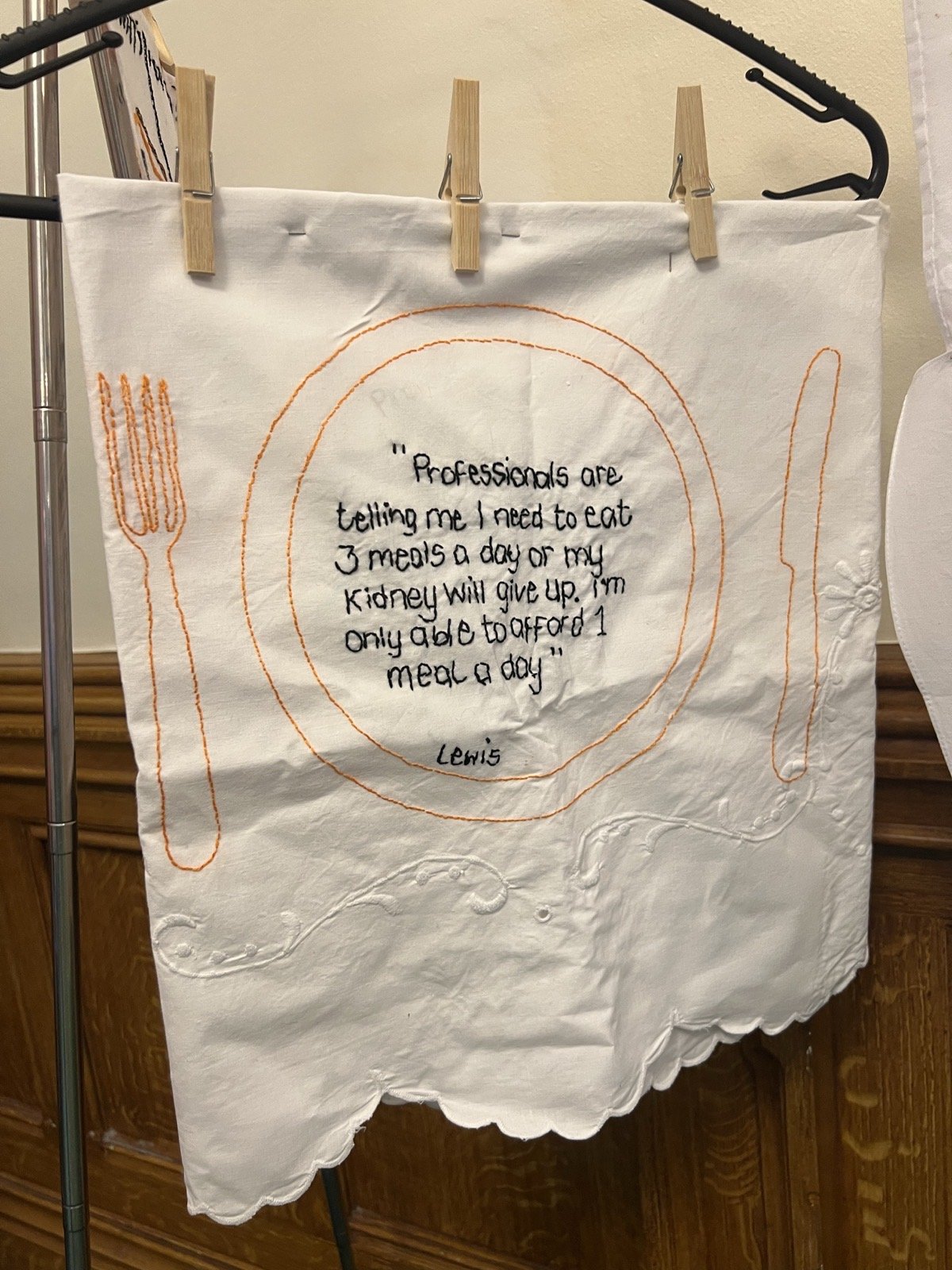
The event kicked off a renewed campaign agenda to put the cost-of-living crisis to the top of the political agenda, combining discussion with personal testimonies, including a display of “craftism” artwork pictured below. In short, the focus of the event was that the cost-of-living crisis and its underlying forces driving it need urgent redressive action.
“I am concerned we have not made enough progress…and we haven’t learned enough structurally about the cost-of-living crisis,” said Yuan Yang, Labour MP for Earley and Woodley, reflecting on the period since the 2022 Ukraine war which sent energy and food costs spiralling.
Balanced Economy Project’s Executive Director Claire Godfrey spoke about how corporate power lies at the root of the cost-of-living crisis at Scotland’s Economic Festival last weekend, highlighting how food insecurity and costs have climbed sharply. A trolley of groceries costing £100 in November 2020 cost more £138 today; and is set to rise further with the latest war. This is pushing thousands of families into poverty; the percentage of people in food insecure households rose from 7% in 2022 to 11% in 2024.
Claire said, “Global shocks disrupting global supply chains play a role in rising prices, but the untold story is that it’s corporate greed that drives the cost-of-living crisis. The monopoly power enjoyed by dominant corporations enables them to use a crisis as an opportunity to jack up prices. Prices rise quickly and rarely fall back to pre-crisis levels, with just a handful of dominant corporations syphoning excess profit at every stage of the supply chain.”
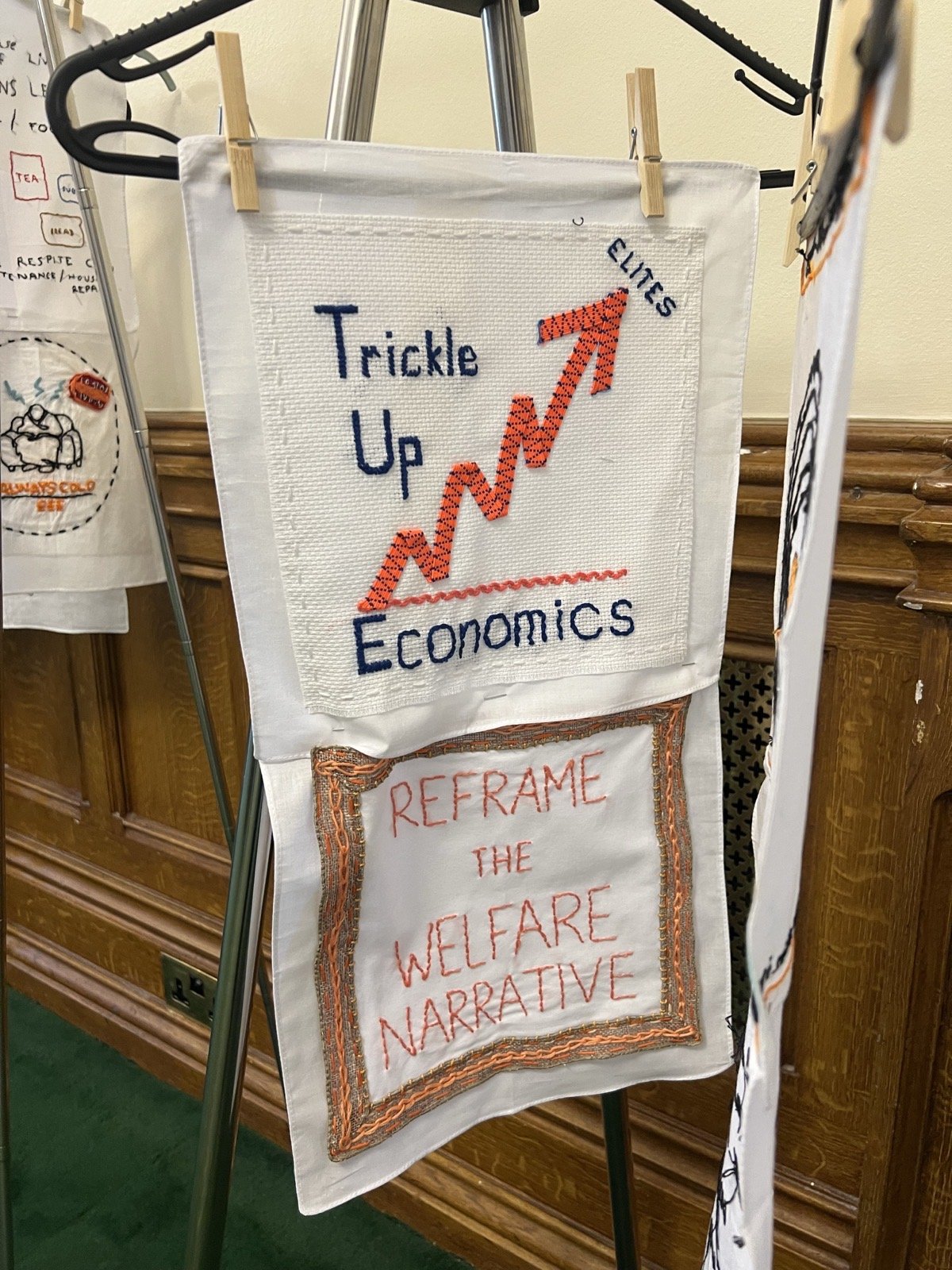
After the pandemic, economist Isabella Weber describes a phenomenon called “sellers’ inflation”: where corporations take advantage of supply bottlenecks and jack up prices far beyond their costs. This doesn’t only contribute to soaring profits but to devastating inflationary surges, which reinforce existing monopoly power. In the UK, research by Unite the Union shows how profiteering in 2021-2022 in energy, food; and motoring caused “spiralling” inflation, and together were responsible for the majority – 57% – of overall inflation.
Such size and power allow any or all these private monopolies across any sector – whenever they wish – to prioritise profits and pay shareholders and bosses through cost efficiencies, i.e. consumers getting less for what they pay.
Yang made a similar point in Parliament yesterday:
“Thames Water bills are up by an average of almost a third, without an improvement in the service that customers are getting,”
Lord Richard Walker, appointed by the Prime Minister as a Cost-of-Living Champion, also picked up this exact thread in Westminster:
“Families don’t need another committee, they need real action…this cannot be another Groundhog Day where prices go up very quickly, and then come down surprisingly slowly,” adding that while he is “very pro-growth”, there is a “very big distinction between profit and profiteering, especially in the time of crisis.”
Lord Walker linked the question of concentration to a broader sense of economic vulnerability, adding that the UK’s reliance on large, powerful private actors reveals a sense of “national insecurity”, particularly in energy markets. “We have to get off the fossil fuel rollercoaster,” he concluded.
Yesterday, the Chancellor of the Exchequer, Rt Hon Rachel Reeves MP announced the government would bring in a new "anti-profiteering framework" for the Competition and Markets Authority (CMA) as the watchdog for price gouging in a period of crisis.
The Cost-of-Living Action campaign was relaunched in Parliament this week, bringing MPs, campaigners and people sharing their experiences of the damaging impacts of rising costs on their lives into the same room.
In the short-term, under the Digital Markets, Competition, and Consumers Act (2024), the framework could introduce new banned practices, such as an unjustifiable price increase in a designated crisis sector. This would give the CMA the ability to enforce directly and issue a 10% turnover fine. Alternatively a standalone exploitative pricing provision, with a new substantive test, could be added via primary legislation to enable the CMA to act directly, without the glacial pace of a Competition Act dominance case.
Beyond short-term fixes and disincentives, tackling the structural drivers of the cost-of-living crisis requires the de-concentration of economic and financial power in the economy. Tough enforcement of competition law as a key lever to shape an economy that work for all must be a priority.
We need your help to hold powerful corporations to account and keep fighting to constrain corporate power. Donate to Balanced Economy Project today and help us build a fairer economy together.